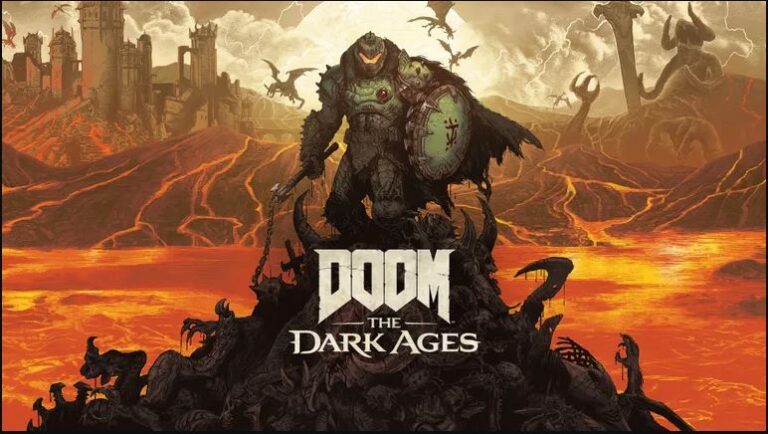
Given the recent Xbox Showcase as well as the release window for several iconic First and Third-person shooters, we at TaylorTalksEntertainment saw fit to dive back into the world of Doom. It has been five years since the release of the critically acclaimed Doom Eternal, so does Doom The Dark Ages set a new precedent for the franchise, or does it bring the series back into the dark ages? Let us wait no longer to dive in. This is Doom: The Dark Ages!
Introduction & Pre-Production
For those at home who have never heard of Doom a light history lesson is in order. Originally released in 1993, Doom was one of the first of what is now a well-established genre of First-person shooters. The series focused on the officially unnamed Doom marine, otherwise known as Doom Guy, the Doom Slayer, or just the Slayer for short. What started as a largely story free game about one man waging a solo war against the forces of hell, became a worldwide phenomenon that helped establish FPS as a genre, which was originally created by the team of John and Adrian Carmack, John Romero, Kevin Cloud, and Tom Hall as founding members of id Software.
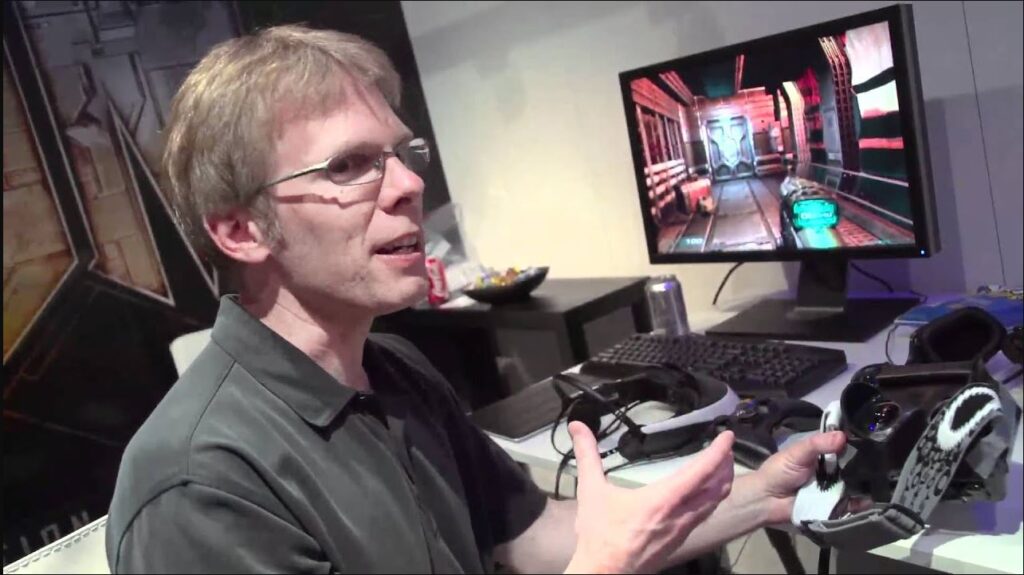

Along the likes of Wolfenstein and Duke Nukem, Doom was one of the founding names of the genre that nearly every FPS can trace their lineage to. Whether it was Halo, Half Life, Call of Duty, or any other, they owe their existence in some way to Doom. At one point in time the term First-person Shooter was less common then the phrase Doom clone, that was how synonymous Doom was to the FPS experience. The popularity of the series was so great that Bill Gates was doing ads for them in the ‘90s. And the winner of a Doom multiplayer tournament was awarded with a Ferrari from John Carmack, one of the founders of id Software.
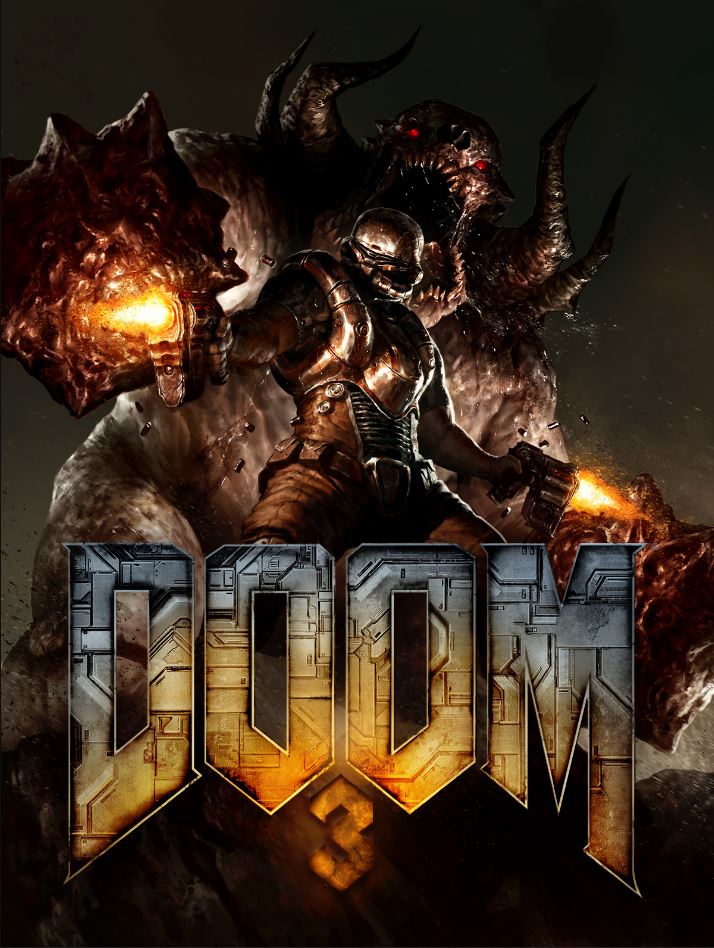
However Doom, like many other franchises, has had to adapt to the changing times, such is natural regardless of the genre. 2005 saw the release of Doom III, which sought to stray away from the light narrative presentation of the original installments and instead presented itself as more of a horror survival experience with less emphasis on action. Doom III was considered a financial success but would never see a direct follow up. The next title in the series wouldn’t see the light of the day until 2016, when the next entry of Doom was released. The game was a reboot of the continuity, which carried over the greater emphasis on narrative storytelling, but was closer in spirit to the original games in terms of gameplay, focusing on fast-paced, adrenaline-pumping action. The reboot was a financial and critical success, leading the series to continue through its sequel Doom Eternal as well as the most recently released title and subject of this article, the prequel, which is Doom: The Dark Ages.
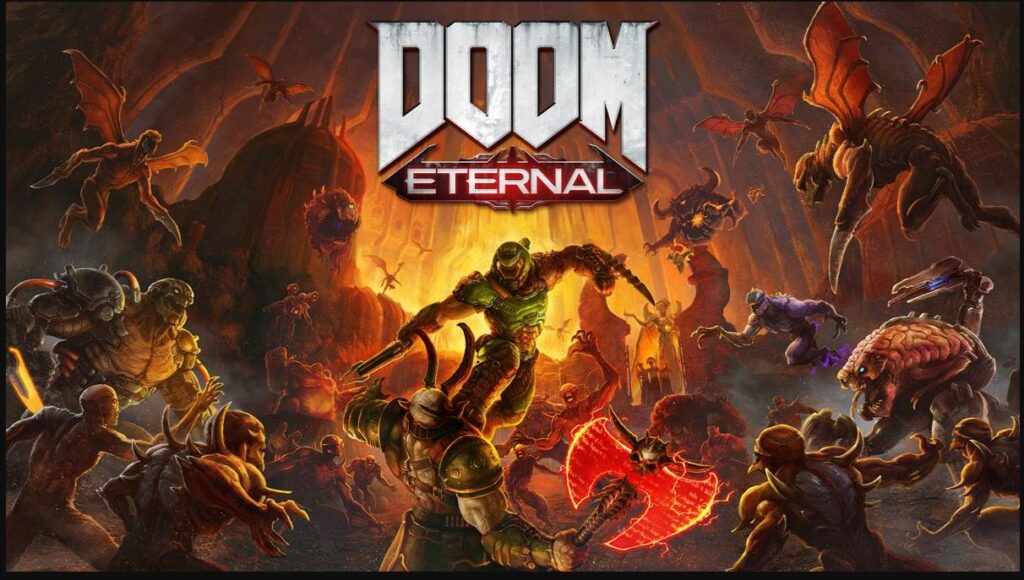
Originally being revealed at the 2024 Game Awards show The Dark Ages would be released on May 15, 2025 for Windows PC, Xbox Series X, and PlayStation 5. The game had only been announced in 2024, but the game’s production started right after id Software finished work on the Doom Eternal DLC campaign Ancient Gods in 2021, with production being fully prioritized by the studio as of 2022. Dark Ages puts a heavy emphasis on the medieval setting as well as the more grounded approach to combat, which was a bit of a departure from Eternal’s design mentality. Hugo Martin once again returned to lead as project director and doubled as the game’s lead writer, with art direction being overseen by Emerson Tung. The score was composed by the group Finishing Move comprised of Brian Lee White, Brian Trifon, Jay Wiltzen, and Alex Klingle.
Synopsis & Writing
Naturally, as a game labeled Dark Ages, this installment is a prequel to both Doom (2016) as well as Eternal, focusing on the never-ending war between the Warrior Night Sentinels and the forces of hell. As the Slayer your mission is to wage war against the forces of hell and end the demonic forces assault on the realm of Argent D’Nur. Something people unfamiliar with the series might think to themselves is how could there be such advanced weaponry and technology in something called The Dark Ages. The answer is that Argent D’Nur is an ancient yet highly advanced civilization that players have seen evidence of in both Doom (2016) as well as Eternal.
The Dark Ages continues the trend of both of its predecessors in this continuity with having a greater emphasis on narratives, character development and twists albeit mixed in how the quality of said story is. The core narrative serves its purpose well enough, and true to its promise this is the longest Doom Campaign since the original games in terms of mission number. The Dark Ages has 22 missions or chapters that players will watch the story develop across.
While fans of more narratively driven game experiences might be happy to see that the entirety of the game’s development went towards its main campaign with no extra modes offered, the campaign suffers from a number of issues. The first complex issue is its pacing. While there are 22 levels, the story moves at a sluggish, even languid pace, sometimes taking as long as three missions to move the plot past just one objective of the story.
Tied to this is that The Dark Ages moved away from non-mandatory environmental storytelling vignettes that 2016’s Doom and Eternal both made use of. Most of the narrative of a given level is presented in the opening and ending cutscenes respectively with very little character moments presented in the levels themselves. The game’s codex helps to alleviate this by providing extra backstory and lore on the characters, locations, weapons, and enemies you’ll be fighting. This is a very nice addition to the experience, but it can’t do all the heavy lifting on a story that needs more meat in the moment-to-moment gameplay of the campaign. The campaign itself has an overarching storyline with twists and turns that does deliver a satisfying conclusion, but that story is stretched very thin. And whatever moments of character are presented were enhanced on my account since I had played the previous installments and that provided extra perspective and baggage that not every person who plays the game is going to benefit from.
The Campaign is short on character moments, but the few moments it provides do deliver some truly poignant moments particularly in the dynamic between King Novik & the Slayer
Gameplay
Now, the story might be mixed in its presentation and quality, but if there is one thing that I value above all else in Doom it’s the gameplay. So, how does it stack up to previous offerings? The answer: different, but very well. Dark Ages saw fit to shift away from a heavy emphasis on high- speed platforming that Eternal built its game around, in which it moves closer to how 2016’s Doom handled movement, speed, and overall gameplay. The shield mechanic was among the first things that was revealed about the game and for good reason. The shield is not only your defensive line, but also one of your greatest weapons. Naturally the device can block enemy attacks and level hazards but it’s also useful as a lethal weapon. As early as the second level your shield gets upgraded with buzz saws and can be used to decapacitate demons with style. And the upgrades for the shield will keep coming throughout the campaign. If you find yourself having trouble with the challenges ahead of you, try upgrading the shield, it will help you out tremendously.
The aesthetic of Dark Ages gave the developers free reign to get creative with the weapons acquired on the Slayer’s journey and they definitely got creative. Dark Ages follows the trends of Doom games past and present in that you carry all acquired weapons with you at times and while there is only seven classes of weapons. Each weapons’ class has two distinct weapons that function differently and have their own role in the gameplay sandbox, from ol’ reliable the classic shotgun, to Argent D’Nur brand pulse rifles, to a widespread crowd-control weapon that fires by splintering and spewing crushed pieces of skulls at your enemies.
As is tradition for Doom, The Slayer receives a punitive equalizer that allows the Slayer to wreak havoc en masse, This is no BFG. THIS is the Ballistic Force Crossbow..
The introduction of the shield and a slower-paced movement radically differs from Eternal’s design mentality, as the intent was to create something different. Staying on the move is still the key to success as “run and gun” is still the name of the game. But players are heavily encouraged to be more tactical with how they engage the enemy. Given that it takes time to reach foes on the battlefield you need to carefully think through your weapon choice and positioning. Dark Ages sees the Slayer turned into a living, breathing tank. You have all the right tools for each situation, you just need to leverage them properly.
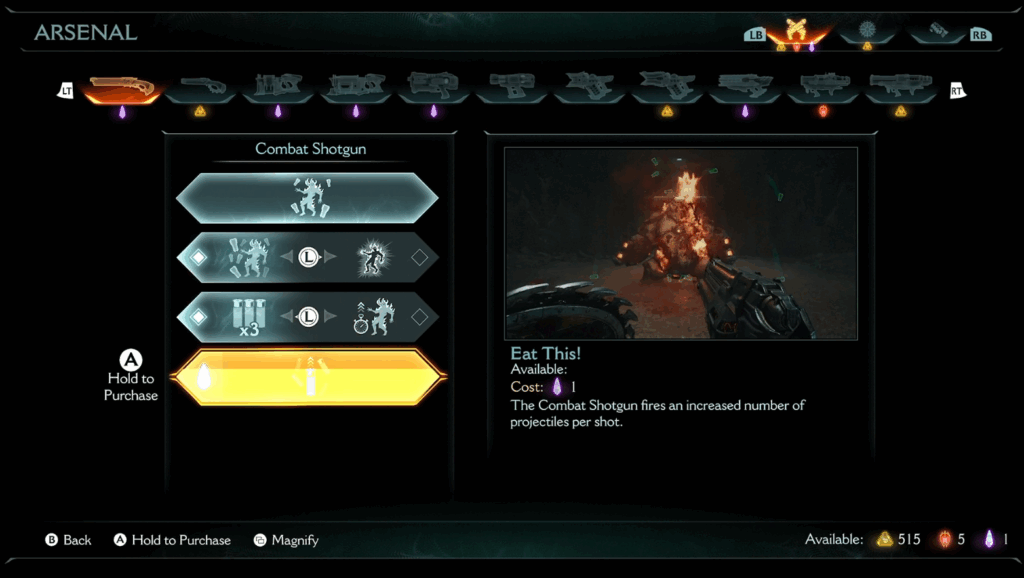
Dark Ages continues the emphasis on building the Slayer’s arsenal through upgrading your weapons and suit to better meet the challenge in front of you. But this is where things get a little questionable. Previous installments in this continuity saw you complete weapon challenges in order to unlock the ultimate function/upgrade of a particular weapon, but your reward in Dark Ages is merely unlocking a unique gold weapon skin for it, which feels lacking by comparison.
In fact Dark Ages from a gameplay perspective feels like it was trying to dial things back from the experience that Eternal offered. A common critique of Eternal was that many felt it had too many mechanics going under on the hood; from combat perks, to upgrades, to traversal. Across the board it felt that Dark Ages wanted to make something simpler and in certain aspects they did. Not to say that the game offers no new mechanics, so this is the best time to mention the level design and gimmick levels. Most of the levels in Dark Ages will see you on the ground exploring for secrets, fighting demons, and navigating hazards, which are par for the course.
Among the demon horde the Slayer will come across elite demon variants, felling these demons will allow the Slayer to increase their armor, health & ammo capacity..
But there are also two additional types of levels, first up is the Atlan sections. Not content to simply shoot demons, the Slayer will also take direct control of a 30-story-tall mech known as an Atlan, these sections often last under 15 minutes and will simply have you punching giant demons until they drop. Not very deep but these levels are very sporadically used. Only two levels of the whole are solely dedicated to this, whereas the other implementations of it will be hybrid levels paired with standard on-the-ground gameplay.
The other gimmick set relates to the Mascot of the game, The Slayer’s dragon mount Serrat. These sections will see you fly freely in a 3-dimensional space firing on enemy vessels from Serrat’s twin mounted assault cannons and land at scripted landing zones. These sections had a lot of potential to be fleshed out into something substantial, but what is presented here is another gimmick set. Chasing down enemy ships is enjoyable the first couple times but quickly becomes repetitive as they all play out the same way regardless of mission. Players aren’t allowed to freely land as they wish, but rather at landing zones designated by the developers. And upon landing you cannot take flight until said zone is completed and Serrat lands once more. You also cannot return to a landing zone once you complete the encounters there. These levels last far longer than the Atlan sections and are once again reserved for hybrid levels.
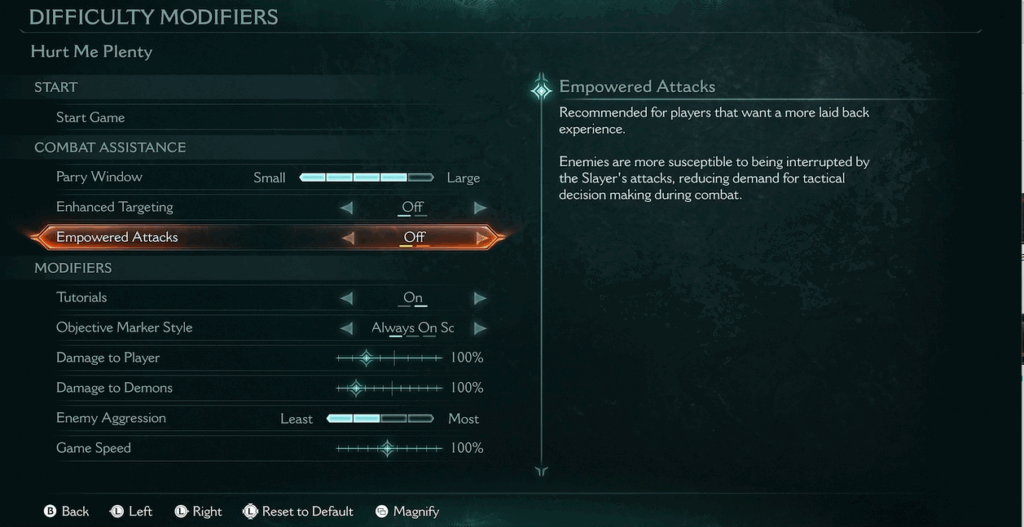
Finally on the list of additions to go over is the accessibility features. Many games across different genres offer standard difficulty settings that provide developer set calculations for things such as damage taken by the player, damage inflicted by the player, enemy aggression, etc. However, Dark Ages innovates the player experience by making it so you can customize nearly every aspect of the user experience regardless of difficulty. You want to increase your window for shield parries you can do it, want to increase amount of ammo gained from ammo drops, you can do it. Players are free to customize the experience to a liking that is comfortable for them, and that helps make the game more inclusive for those of multiple skill levels. So, you can make it as challenging or relaxed as you want.
Conclusion
While The Dark Ages is far from a perfect game, it is still a strong FPS and a strong game in the history of Doom’s lineup, and it looks like id Software aren’t quite done with the game as the Premium editions of the game have confirmed the game will be receiving a DLC campaign similar to Eternal. I give The Dark Ages is a strong recommendation to fans of the series or those engaging with FPSs, whereas casual fans might want to wait until the game goes on sale or play it as part of a Game Pass subscription.
Patron Shout-Out
And finally, a special shout out to our Patreon Supporters who help to support our work week after week. If you wish to be included in this list or receive special perks as part of an exclusive community consider following us on Patreon. Thank you:
Francesco
Lisa