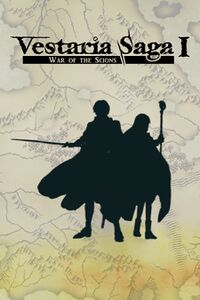
Given the recent announcement about the next mainline Fire Emblem game as well the series’ debut on Nintendo Switch 2, and the lackluster shadow drop of a mobile-only spin- off title for the series, the team and I thought there was no better time to take a look at a more strategic alternative. Ladies and gentlemen this is Vestaria Saga: War of the Scions!
Introduction & Pre-Production
However, as we dive into the world of Vestaria Saga we must take a look at the history of one such game developer; the one and only Shozou Kaga. This man needs little introduction to fans of the strategy role-playing game genre. But for the sake of the un-initiated, Kaga was the creator of the Fire Emblem series and served as project director for the first five games in the series starting with 1990’s Fire Emblem Shadow Dragon & The Sword of Light and ending with Fire Emblem Thracia 776. Following the release of Thracia, Kaga parted ways with the studio behind Fire Emblem Intelligent Systems and Nintendo as a whole. We will gladly go into the circumstances of this separation when we inevitably cover the likes of Fire Emblem.
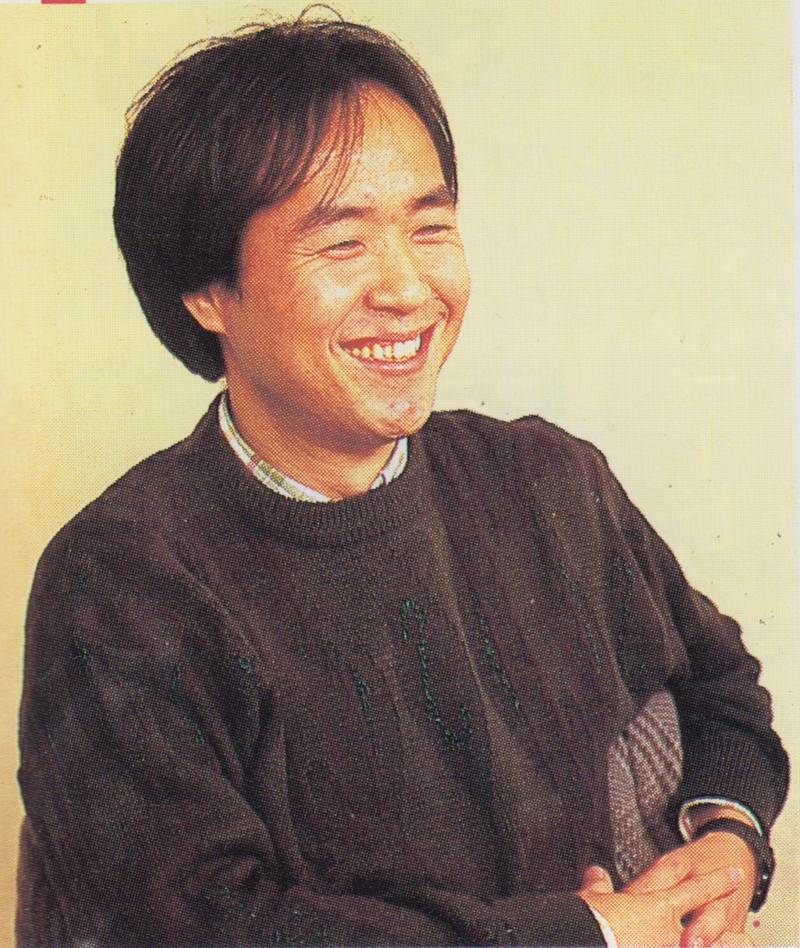
Shozou Kaga, series creator, Project director and scenario writer for Fire Emblem
Following his departure from Nintendo, Kaga formed his own studio called Tirnanog; (named after the fictional town of the same name from Fire Emblem Genealogy of The Holy War where the rebel army was based). Several key staff from IS also left to join him in his creative efforts. Among them was Fire Emblem’s lead character designer at the time; the late Mayumi Hirota. Officially, Tirnanog would only develop and release two games before Kaga retired from game development. The titles were 2001’s Tear Ring Saga for PlayStation 1 as well as 2005’s Berwick Saga for PlayStation 2. Despite being close to retirement, these games were still mechanically impressive, showing an improvement on his previous work.
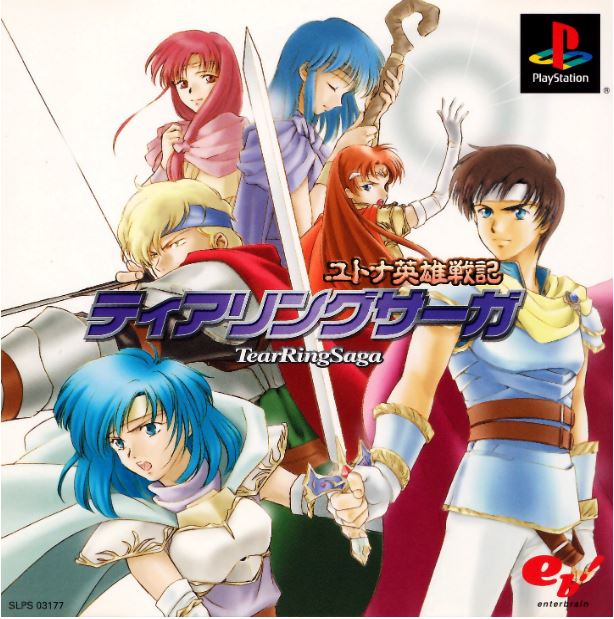
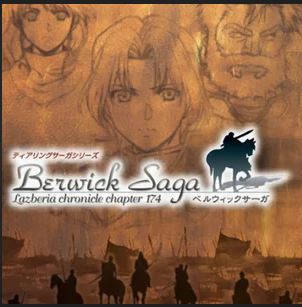
Usually when someone retires from an industry we don’t hear from them again in terms of contributions to that industry. So naturally, in February of 2015 Kaga announced that he had cancelled development for another entry in what many call the Kaga Saga. The game was titled Vestaria Chronicle 687-693, which was cancelled in 2010. The title had similar naming conventions to the likes of Berwick Saga whose full title was Berwick Saga Lazberia Chronicle Chapter 174. At the time, learning of the cancelled Vestaria Chronicle many didn’t think much would come of this information, and viewed it as a peek behind the curtain of Kaga’s career.
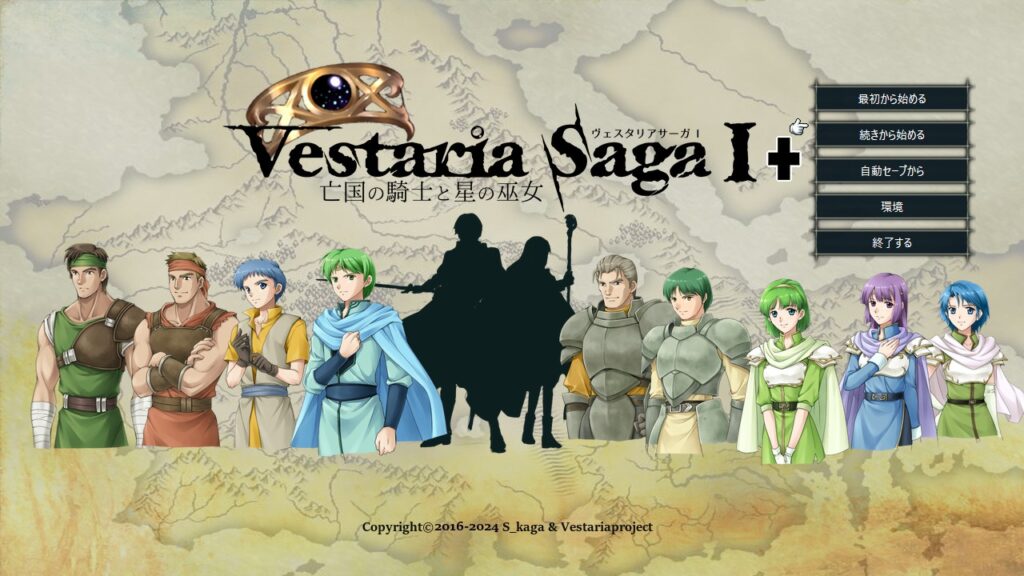
However, to the surprise of everyone, in May of 2015 Kaga announced that Vestaria Chronicle would be revived as Vestaria Saga. The initial title was Vestaria Saga: Seven Sacred Rings before shifting to the Japanese title of Vestaria Saga: Knight of the Fallen Kingdom and The Star Priestess. The final English title was War of the Scions. Early builds of the project made use of unused assets from the likes of Tear Ring and Berwick Saga. This changed when Kaga came out of retirement and assembled a group of volunteers including Mayumi Hirota and Hiroto Saitoh to form the studio Vestaria Project, made up of a group of passionate volunteers eager to bring the long lost Vestaria Chronicle to life.
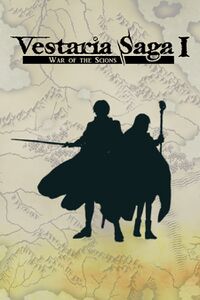
The game was developed through SRPG Studio with Vestaria Saga being a proof of concept that engaging tactical games could be made using the engine. It would be released in 2016 for PC, with an English translation in 2019, published by Dangen Entertainment with a remake of the game titled Vestaria Saga 1+ being released a couple of years later.
Narrative & Synopsis
The game is set on the continent of Vestaria, comprised of eight kingdoms neighboring the nearby superpower of the Solvian Empire with a rich history regarding the long lost ancient Kingdom of Udugal and the dark Margulites who seek to revive the ancient kingdom. Our story begins in the Kingdom of Meleda, which had found itself locked in a trade dispute with Solvia due to the actions of several Meledian duchies.
The attempts to broker peace died when a Solvian diplomat’s ship was lit ablaze in Meledian waters. The trade tensions evolved into an all-out war with Solvia invading in swift fashion. Slovia quickly conquered the kingdom, resulting in Meledia’s allies abandoning them along with the death of her sovereign, King Melces.
The last vassal to the royal family, the House of Redessa, is now responsible for safeguarding the young Princess Atholphis, the last of her bloodline and Vestaria’s sworn star maiden. Whilst the first born of the House of Redessa, Zecharias, stays behind to stall the imperial army, he charges his younger brother Zade with protecting the princess and escorting her out of country. Now the pair of Zade and Athol, as well as a handful of escaping Redessan soldiers are all that stand between the empire and the death of the Meledian dynasty. Little did they know the struggles that awaited not only them but all those who call Vestaria home…
As one can see from this synopsis, the story wastes no time throwing you into the nuances of Vestaria Saga. And much like Kaga’s previous works, it delivers a rich setting ripe for exploration. Many games within this genre will expose you to a world and have you travel the whole length of it within a single title, which is not the case here. All eight kingdoms in Vestaria Saga face their own conflicts and whilst some of these conflicts intersect with Zade and Athol’s journey, many extend beyond this game and into the various sequels of Vestaria Saga.
For example, the Kingdom of Solis has been drawn into a bloody civil war with Noyan Gyshal, fighting to put his nephew Prince Cyltan on the Steppe’s throne after the boy’s father was killed by the usurper Tamthir who claimed himself Khar of Solis. Similarly, the home of the legion of Dragon Riders, the Kingdom of Norden, is on the verge of civil war itself as a marriage between the king’s grandson Eddard and the daughter of a prominent Jarl falls apart when Eddard goes missing from Norden soil, a fact that several Jarls are trying to capitalize on to seize power for themselves.
The world of Vestaria Saga has a rich history and much more going on than the player’s journey with Zade and friends, so much so that players might find themselves wanting more from the world and fall directly into the sequel’s waiting arms. Despite its fantastical setting, War of the Scions provides a sense of realism that is consistent with Kaga’s prior works. The characters and the world are complex. Meledia is in ruins, and one might think that the entire kingdom is awaiting Athol’s return, so that they might free themselves of imperial rule. But in fact several houses welcomed imperial rule to hide their own corruption and when pressed to pick sides will only choose what aligns with their own interests.
It is precisely because the conflicts are so rich that players will want more from them, and this is a compliment to the writing, The conflicts presented are rich enough to be the subjects of their own games, instead of just a footnote in the journey of Athol and Zade. And despite only being a 20-chapter/map narrative the game manages to deliver some stirring character arcs. Characters such as Cyltan, Hoelun, and Aynellia are big highlights and have enough depth to be main characters in their own stories. Cyltan’s arc from spoiled protected prince to enlightened leader is a beauty to behold and a fine display that proves Kaga’s writing is still as strong as it was in titles such as Genealogy of the Holy War and the Tear Ring Saga.
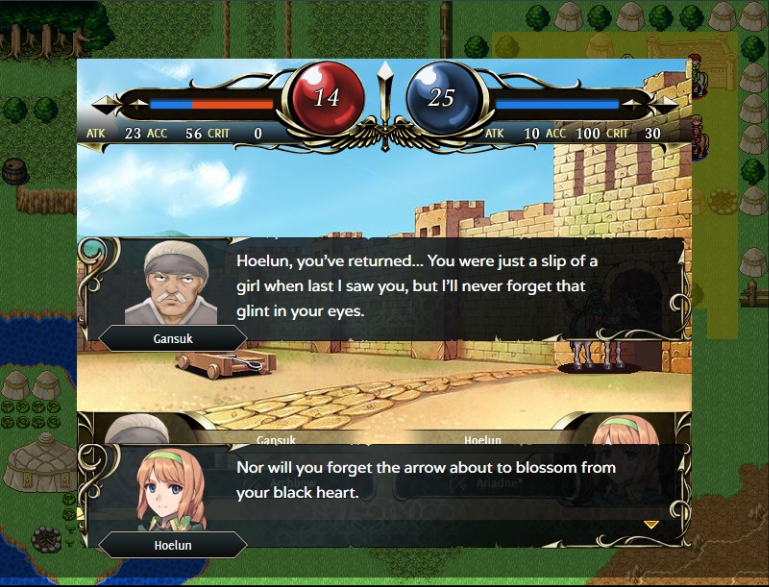
The game was also lovingly and respectfully translated providing a strong script..
Gameplay
Naturally, as Kaga was the man behind the creation of Fire Emblem you will no doubt feel at home if you’ve played one in the past 30 years. But for those new to strategy role-playing games, let us break it down. Vestaria Saga gameplay unfolds in a turn-based formula in which you guide your units through maps of varying objectives in the hopes of securing a victory. The objectives change per map from defeating a certain unit, surviving a set amount of turns against overwhelming odds or reach a certain point on the map, or in Kaga fashion, doing all three in a single map.
The key design philosophy guiding Fire Emblem and adjacent titles such as Tear Ring, Berwick, and Vestaria Saga is permadeath. Your units are limited, unique, and if they fall in battle they are gone forever. This was done to highlight critical thinking, and to encourage players to form strategies that not only see through the conflict on the map but also do it without casualties. The remake of Vestaria Saga even included a scoring system. You start the game with a score of 1000, but every time a character dies and you reload a save, that score decreases. Later on in the adventure players will encounter the bonus shop where they can spend their score on rare items, rewarding players for their tactical prowess.
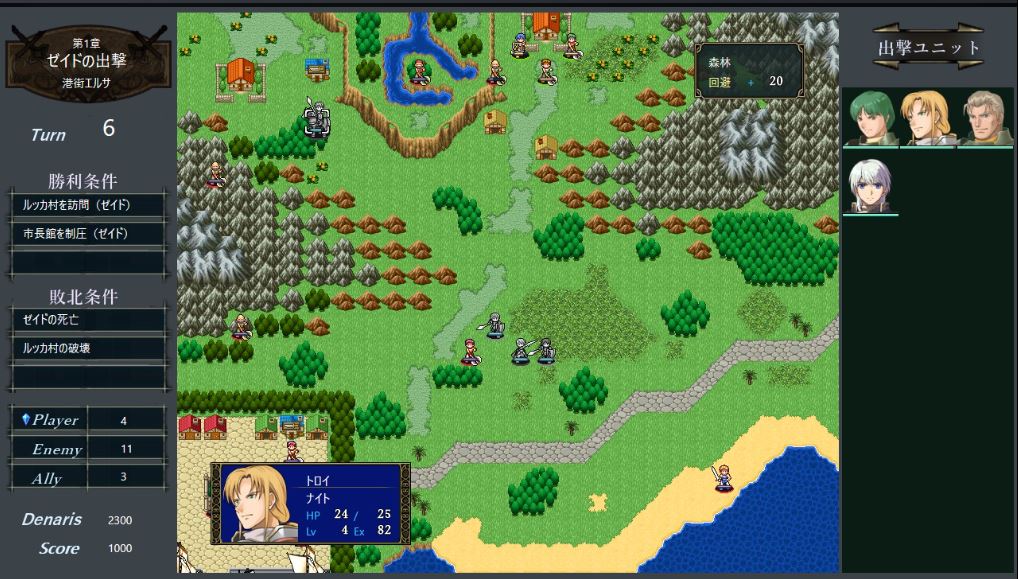
The Remake also features a reworked user interface to make things appear more sleek
Modern strategy RPGs lean more into appealing to casual audiences but Kaga is here to challenge players first and foremost. Rarely in Vestaria can you just bunker down and let the enemy come to you. He places various points of interest on the map, encouraging you to explore and he might even put hazards there to impede or rob you of said points of interest to encourage you to move quickly. These points of interest vary from rare glades of herbs you can obtain or rare treasures being guarded by feral dragons.
Vestaria wastes no time in providing players with engaging tactical experiences. Chapter Five sees Zade and his army looking to recapture the capital of Venecia to rescue his sister and brother-in-law from a coup de tat. But the city is heavily defended with sealed gates and entrenched garrisons. Long-range mages and siege archers await you and will tear your forces apart if you try to brute-force the map. However, a young girl was caught outside the city gates. Upon rescuing and returning her to her father you find out that he is a Venecian ferry man. In gratitude he will ferry a strike force into the harbor, granting you the leverage to get inside the city and strip the defenses, which allows your main force to enter the gates. This is only one map, and one example of the challenges that await in your journey to retake Meledia.
The game is also rather classical in its difficulty. Many secrets are hidden across the runtime, and the game can be vague with what is expected of you in certain instances. Many games of this genre grant you a lot of units and typically have them fade into the background upon recruitment and play little role in the game’s events. That isn’t the case as the game will have segments where you are forced to deploy certain units and the final chapter specifically forces use to use all 34 of the game’s playable characters in order to seize victory.
Presentation & Controversy
Vestaria Saga may have a clear artistic vision and skilled passionate individuals behind it, but it was made on a shoestring budget, This was not the work of a large studio but rather a group of passionate volunteers who wanted to make a great game. The Vestaria Saga games were the last projects that Mayumi Hirota worked on before passing away. Their designs are beautiful, calling back to turn of the millennium SRPGs such as Thracia 776 and Tear Ring Saga whilst still having modern sensibilities.
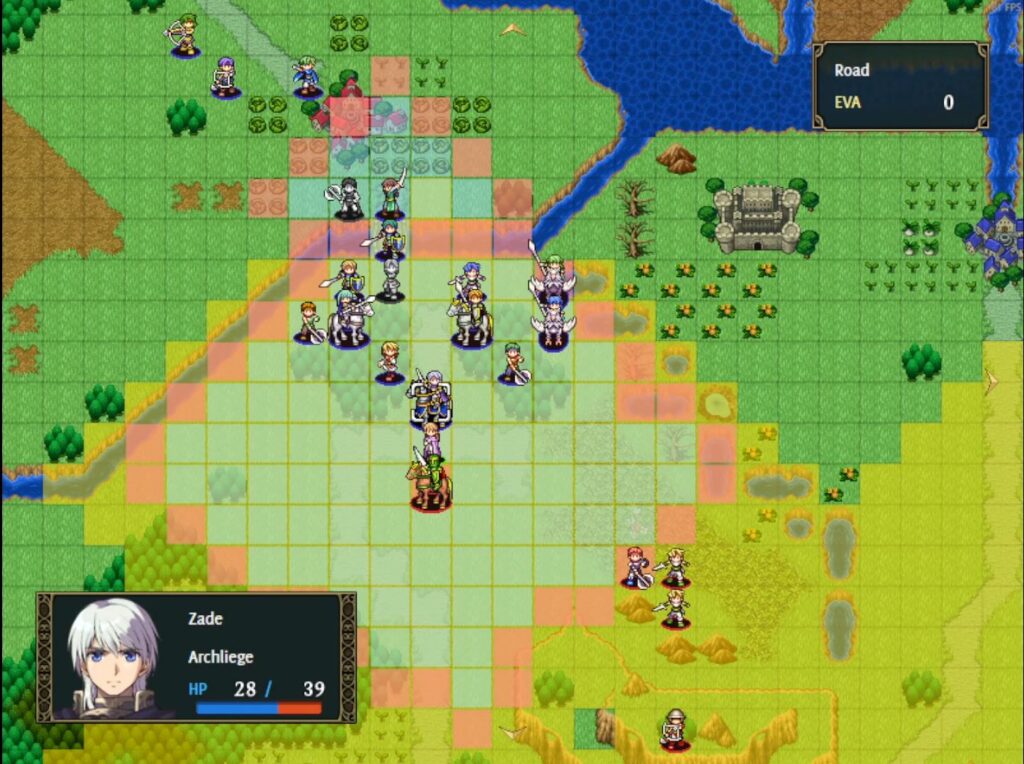
The style of the sprites is also very reminiscent of Super famicom/ GBA era fire emblem for those fond of that particular art style
Alongside Hirota and Kaga was Vestaria’s music composer Hiroto Saito who has worked on myriad number of titles over his career. Saito worked with Kaga previously on Berwick Saga but also had other titles under his belt such as Xenosaga Episode 2, Record of Lodoss War, and Super Dragon Ball Z. Most recently he was behind the score for Foamstars. Saito’s work paints an atmosphere of a continent at war and is an excellent backdrop to Vestaria Saga.
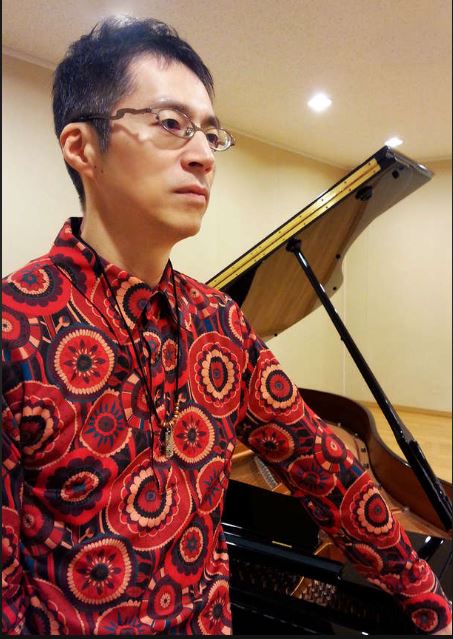
Hiroto Saito..
Vestaria Saga is not without its controversies. The original Japanese releases of Vestaria 1 and 1+ are free PC downloads. But the English version was sold for $19.99 USD on both Steam and GOG. Dangen released statements following the announcement that confirmed that the profits of the game’s sales would go to the translators and the members of Vestaria project. Additionally, the remake has not come to international audiences, so only English speakers are playing the older version of the game based on an older build of the SRPG Studio engine.
Vestaria Saga is also currently plagued by a game-breaking bug present on modern Windows 11 software as trading items between units into an empty inventory slot will crash the game without fail. This bug exists in both War of the Scions as well as the sequel Sacred Sword of Silvanister. Dangen is aware of this bug and is currently hard at work to find a solution. But until then players have to use work arounds to play the game without issues or play the game on Windows 10, which is rapidly nearing end-of-life support.
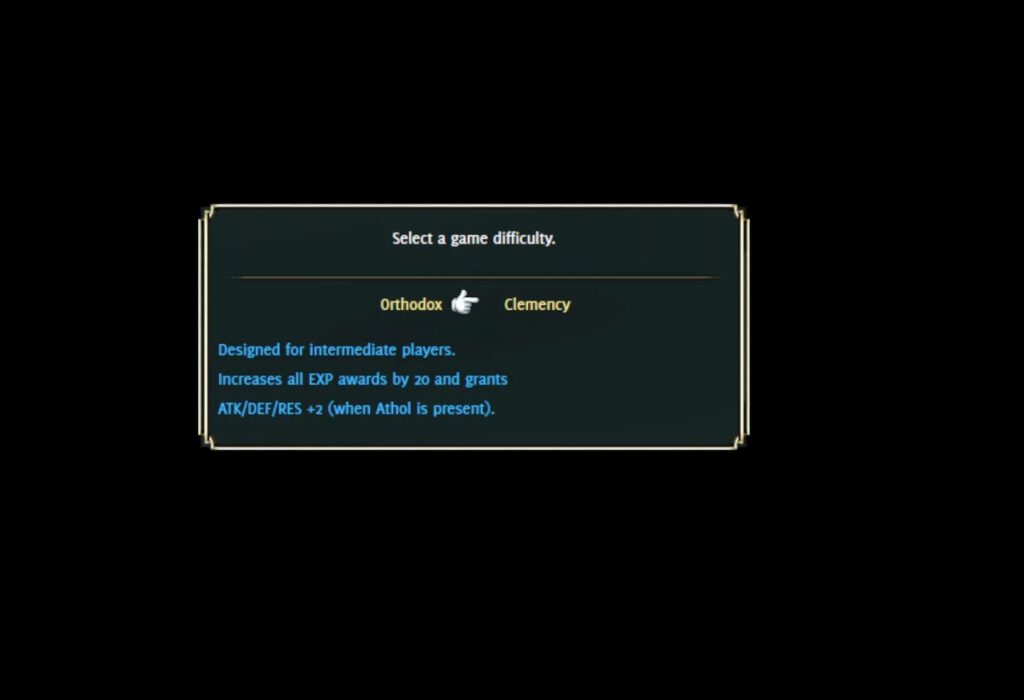
The game also features numerous quality of life additions. As with Fire Embelm Gaiden & Thracia 776 Kaga offers an easy mode, and unlike those games you don’t need to enter a secret code to access them. Orthodox offers the original difficulty experience from Vestaria Saga’s original release, whereas Clemency offers increased experience and a stat boost to all units when Athol is deployed on a map…
The English version of War of the Scions is also based on the older edition of SRPG Studio, which includes the specific design choice of closing the game without warning upon pressing the escape key. Players don’t have a dedicated launcher for the game and if you want to change the settings you have to go to the game’s config notepad file in the game directory to alter settings, which is also the only place where controls can be changed.
Conclusion
Despite these issues, Vestaria Saga is a masterfully crafted title from one of the founding minds of the turn-based SRPG. The game may have been made on a shoestring budget, but the mechanics, the writing, and the design of the game are all top notch and show what the strategy RPG genre is capable of with minds who want to evolve the genre at the helm. The game is a steal at a humble asking price of $19.99 USD. We need more games like Vestaria Saga. The game is definitely not for everyone but if you grow tired of strategy games that hold your hand and instead want a game that will test your tactical prowess, then I can wholeheartedLY recommend Vestaria Saga and the day Vestaria Saga 3 launches can’t come soon enough!
Dedication
Dedicated in memorium to Mayumi Hirota…
Patron Shout-Out
Special thanks to all of our Patreon members who support our work week after week, we couldn’t do it without you;
Francesco
Lisa
Sam
Adam
Mark
Matilda
Bob
Victory
IridyScenzia