I’ve kept you waiting, huh? Well, I’ve been working on this particular piece since before the game’s launch, but various circumstances forced the delay of this article. But here we are and given that the release of Master Collection Vol. 2 is upon us, the timing felt appropriate. This game is rather important to the series as it is the first time we’ve had a brand new game released for Metal Gear since the likes of Survive in 2018. Many thought that between the quality of that game and with Kojima moving on from both the franchise and Konami as a whole, Metal Gear was finished as a franchise and that things would be better off that way.
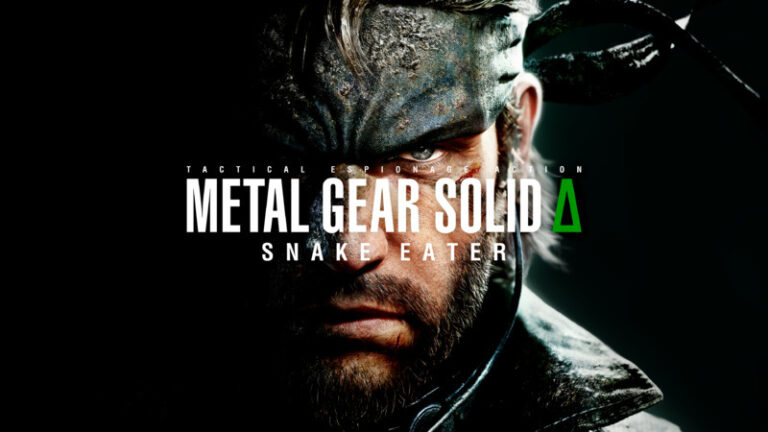
However, the winds of change started to blow when they announced the master collection compilations. But Konami grabbed the world’s attention when after years of no new games for the franchise they would be remaking Snake Eater, given that Snake Eater is one of the series’ most beloved and influential titles. This was coming after the seven-year absence following Survive’s release. This got people talking about what this meant for the franchise, asking, “Is Delta another poorly constructed attempt to capitalize on the franchise’s popularity like Survive was, or is this an attempt to bring Metal Gear back?” This is the first Metal Gear game to see the light of day in seven years and a remake of the series’ most influential entry. Did Konami respect that legacy? Let’s find out. This is Metal Gear Solid Δ: Snake Eater!
Introduction & Pre-Production
So, I shall keep the background brief given that I’ve already covered much of the behind-the-scenes of Konami and Metal Gear during my piece on the original Snake Eater, a piece you can read if you’re inclined to do so. But to summarize, after the release of Metal Gear Solid V: The Phantom Pain series publisher and creator Konami and Kojima parted ways. This was a rather public separation that did in fact strain the development of MGSV. Konami would pull out of console game development shortly after V’s launch to focus on arcade and mobile gaming, which is why things like the MGS3 Pachinko arcade game exist. Survive was a final attempt to develop on the console market but that game’s mixed reviews and financial failure only reaffirmed Konami’s decision to pull out of the console game market.
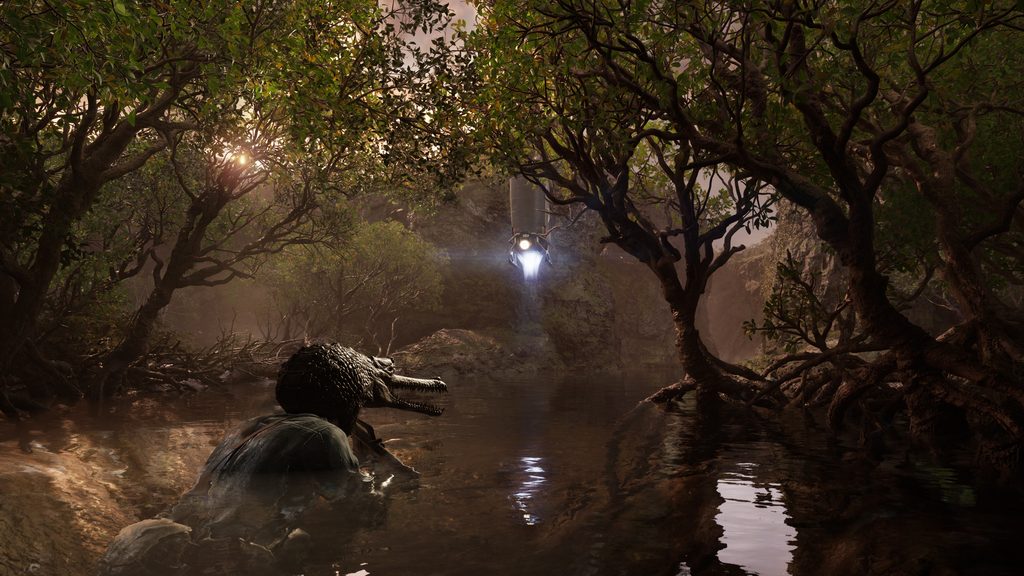
However, we have seen this decision start to be reversed in recent years. For some time, Konami began releasing compilations of some of their legacy IPs such as Silent Hill, Contra, Castlevania, and Metal Gear anniversary collections. These weren’t full commitments to returning to console gaming but little projects that allowed Konami to make money whilst also putting their titles back in people’s hands and minds. However, in May of 2023 Konami grabbed the world’s attention at the PlayStation showcase by revealing that they were remaking Snake Eater from the ground up. And throughout the course of closed-and-open-door previews over the next two years we got more and more glimpses of the game in action.
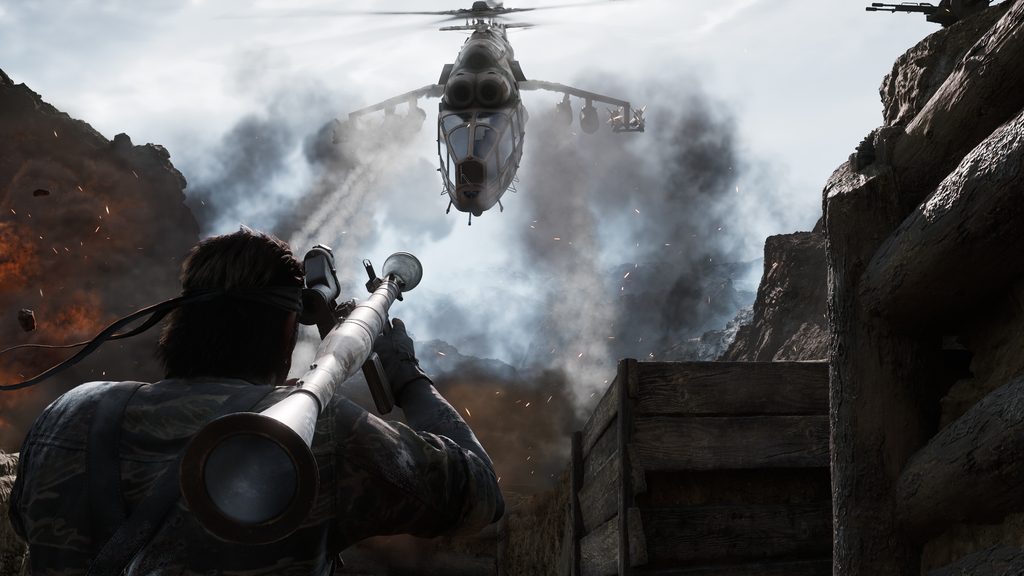
The game was being developed in Unreal Engine 5 given that the Fox Engine had long since retired. The game would be using original music and voice acting but would receive a select number of re-recordings and new arrangements, as seen in the opening song Snake Eater as well as a handful of codec calls in game. Konami Digital entertainment joined forces with Virtuos, and the game was produced by Noriaki Okamura and Yuji Korekado who who oversaw development of games such as Metal Gear Survive, Portable Ops, and The Phantom Pain. Delta had no less than three directors in Yota Tsutsumizaki, Yuji Korekado, and Yu Sahara. Programming and art direction were overseen by Ryuichiro Okamoto and Satoshi Takemura whilst music rearrangements were composed by Naoki Nakashima. Metal Gear Solid Δ: Snake Eater was released on August 28, 2025 for Xbox Series X, Windows PC, and PlayStation 5.
Narrative, Changes & Gameplay
Given that we have already reviewed the original Snake Eater we’re going to trim down the coverage of the game’s plot as Delta is a 1:1 remake of Snake Eater. The story is exactly as you remember it, no grand changes to the narrative to have it better align with the rest of the series. The gameplay did see many changes to bring Snake Eater into the modern era, but the story received no such overhauls. And while one may think this came from a lack of ambition on Konami’s part the reality is something far more practical. Snake Eater’s story has aged exceptionally better than its gameplay, and as a result Konami didn’t see much purpose in adding to the narrative. The lack of Kojima’s involvement likely played a part in this choice but there have been good games in the series that Kojima had nothing to do with. Survive may have a poorly designed title but games such as Portable Ops and Ghost Babel prove that you can have a good metal gear game without Kojima at the helm.
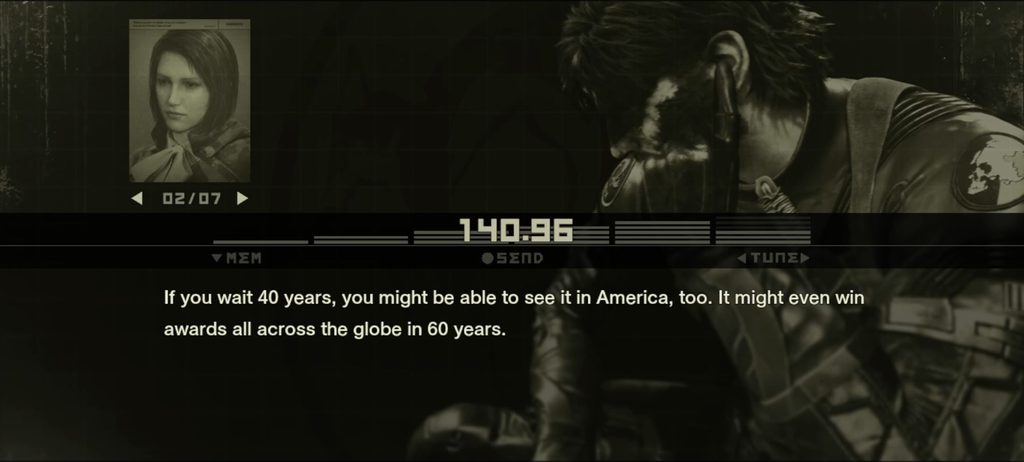
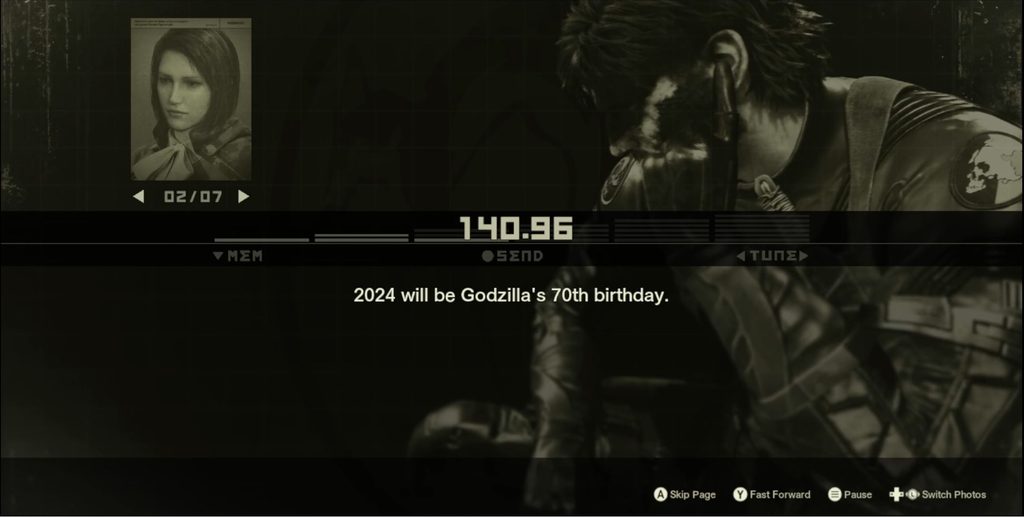
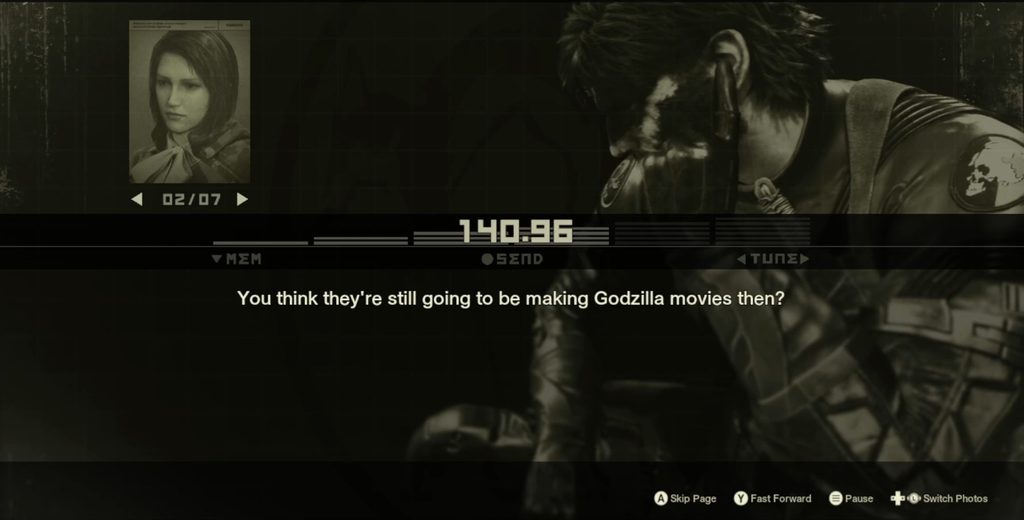
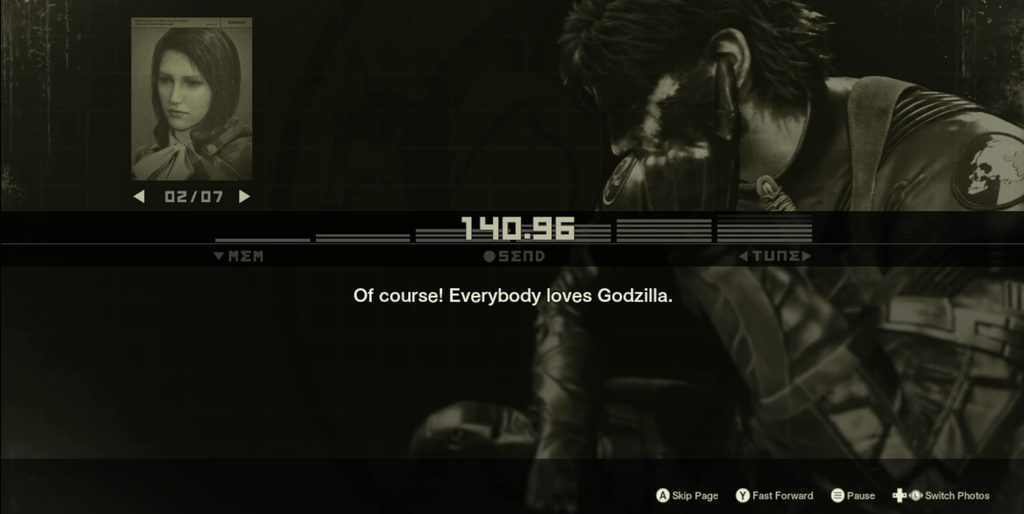
Despite the story being untouched there were certain aspects of the narrative and presentation that got tweaked. Bless her heart Cynthia Harrel the original vocalist who sung the main theme of Snake Eater back in 2004 returned to record a new arrangement of the song over 20 years later. Several codec conversations got updated, particularly the control tutorial calls as well as the one where Para Medic really tries to sell Snake on going to see Godzilla King of the Monsters as Godzilla had hit his 70th anniversary and won an Oscar since the original game came out. The voice actors for Snake and the Boss, David Hayter and Lori Alan respectively, re-recorded lines to better represent the material. This however comes at a cost. I can understand playing it safe and not changing the story but reusing as many performances as they did raise some questions as we have plenty of releases with those original performances and this was a rare opportunity to give new actors a chance with these lines. The actors behind Snake, Para Medic, Ocelot, Eva, the Boss, etc. are still active. But this likely was a decision made out of respect for the original performances as well as the fact that numerous seiyus from the original game have passed away in the years since the original game. Kenji Utsumi, the voice of Colonel Volgin in Japanese, passed away in 2013, as well as Kazumi Tanaka (the voice of The Fear), Shinki Nakae (the voice of President Lyndon Johnson) in 2007. We also lost both the Japanese and English voice actors for Aleksandr Granin in Takeshi Aono in April of 2012 and Jim Ward who passed away in December of 2025, mere months after Delta’s launch.
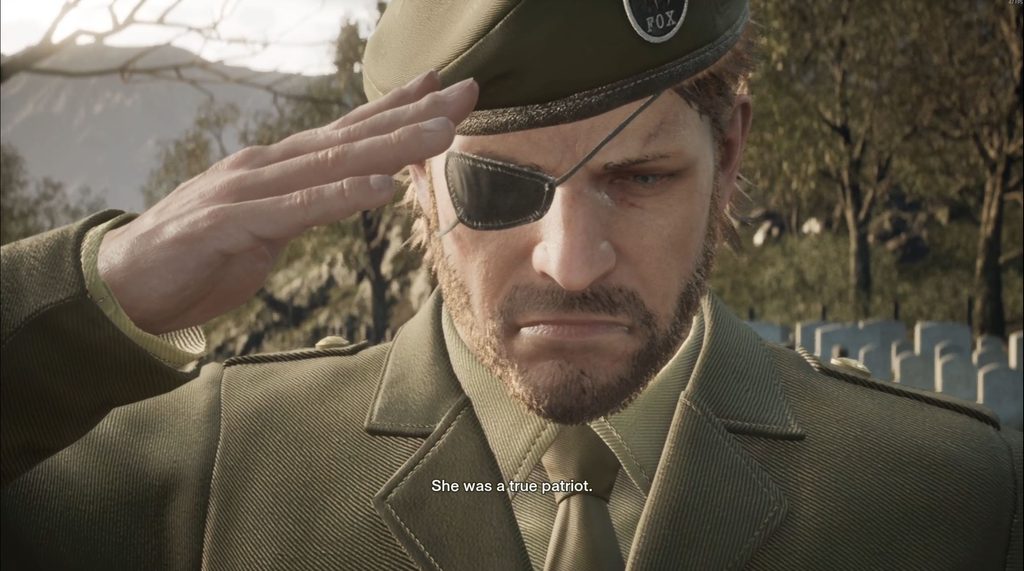
Narratively, Delta saw little to no changes to the original game, but gameplay is a completely different story as Delta looks to build upon the formula of the original game as well as what came after it. If you desire the original’s game controls, camera, and all just with heightened presentation Konami has you covered; immediately upon starting a new game you are treated to the option of playing in “Legacy Style” or “New Style.” Legacy Style features the exact controls from 2004, including fixed camera the original aiming, which required regular use of first-person mode for accurate aiming and includes original Easter eggs such as the pin-up model posters from the original game and the Konami code revealing the End’s location during his boss fight. Something to note about Legacy Style is that while modern releases of Snake Eater such as those found in the Master Collection or HD editions are based off Subsistence, the enhanced release of Snake Eater that came out in 2005. This release included new features such as boss rush, secret theater, and a freely adjustable camera. We once again lost boss rush but got secret theater back and Legacy Style replicates the fixed camera for the first time since 2004. So, if you wish for the authentic 2004 experience Legacy Style is here for you.
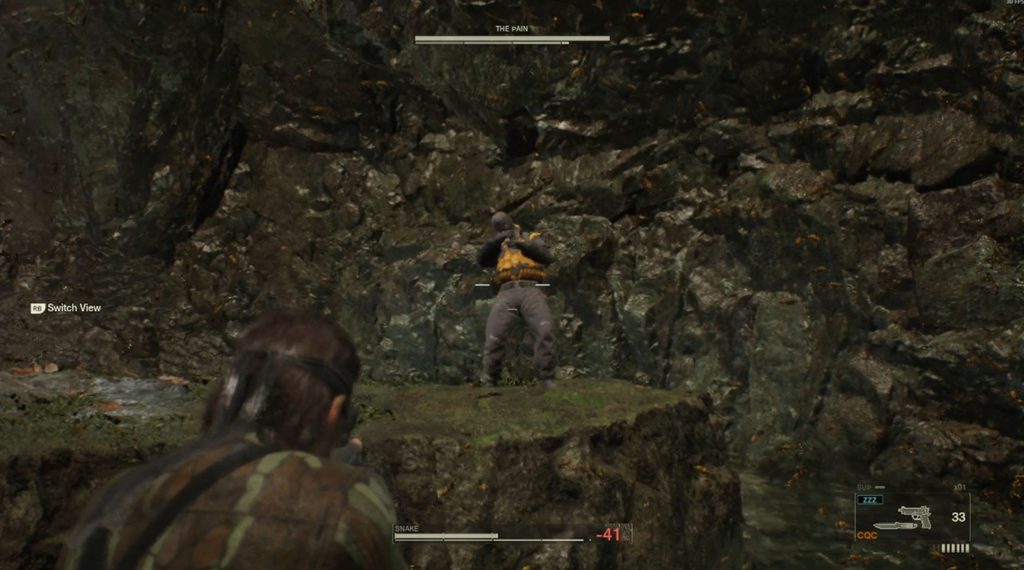
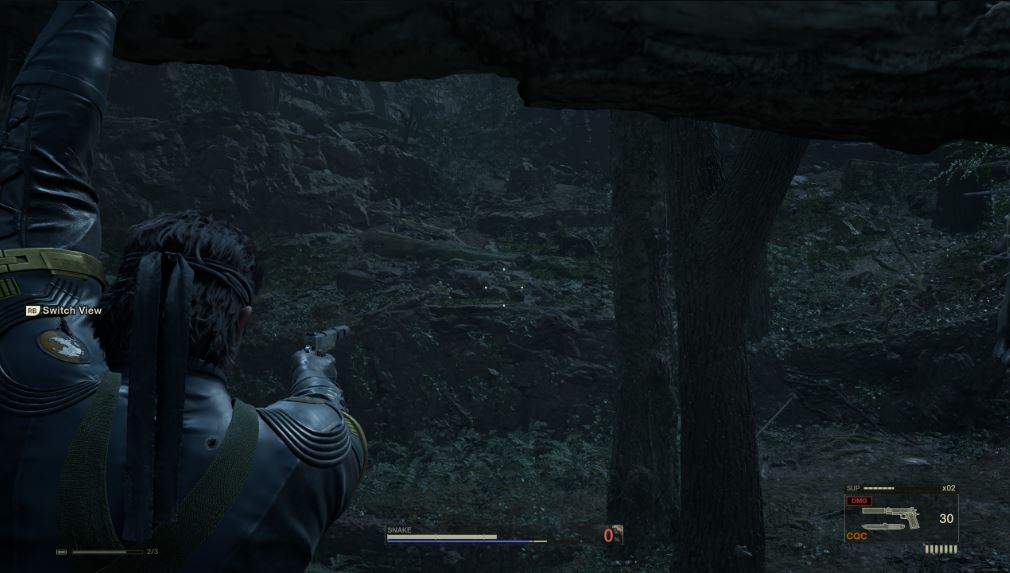
For those hungry for some modern QoL touches, New Style is here to bring Snake Eater into 2025 and beyond. You have a freely maneuverable camera, and it features a new control and aiming scheme more reminiscent of later games in the series such as Guns of the Patriots, Peace Walker, and Ground Zeroes/The Phantom Pain. Naturally, this changes how many encounters play out as this brings features to the table such as being able to aim over the shoulder, moving while having a sniper rifle equipped or crouch walking. This isn’t the first time a version of Snake Eater included crouch walking as it was included in the 3DS version of Snake Eater. The new control scheme does radically change how certain boss fights go as bosses, like Pain and Fear, are much simpler affairs due to not having to go into first-person view to reliably aim. Konami did account for this somewhat as bosses such as Volgin and the Boss had their encounters reworked to account for the new controls. But they didn’t fully anticipate it as crouch walking breaks one boss encounter in half, and that is the Shagohod battle. Originally, you had to loop around the machine long enough for Volgin to stop his aggro towards you and move towards Eva, so you can land a shot. But now you can just crouch walk under the machine and land a shot when the boss is turned. A cheeky strategy to be sure but something I’ll gladly take when going through a Peace Walker/No kill or Foxhound run.
It is curious that Konami added an exploit like this when removing others as some old Legacy tricks from the original game no longer work in New Style. Riot shield guards could be cheesed with a CQC grab in the original but not here, in Legacy Style the Konami code reveals the location of the End during the sniper duel with him. But in New Style it doesn’t and instead the End mocks you telling you to fight like a man. Additionally, there are a number of different interface and visual Easter eggs that you can activate depending on whether you’re playing in Legacy Style or New Style. For example, New Style has the brand new opening re-arrangement of Snake Eater sung once again by Cynthia Harrell, and the pin-up model posters are still in the game, and they had the same models posing in either swimsuits or family shots 21 years later. There are numerous other changes between the two modes that I shall allow you to discover for yourselves.
At face value Konami made very few changes but when looking beneath the surface there are numerous changes that will likely have people discovering them for years to come much like how the original had tons of details we were still discovering in the re-releases. These parallels in design call back to the original in meaningful ways and reinforce why Konami chose the name Delta. Numerically, Delta is the number 4, but its meaning in mathematics and science refers to a change or difference without altering the core structure. This is further emphasized by the choice of Unreal Engine, an engine that allows you to run Unreal for the graphics whilst preserving the logic systems of other engines. Hence, why Oblivion Remastered was able to have a new coat of paint but maintain its beloved jank. The story and gameplay foundations are the same but build on the original game as the team clearly had respect and admiration for the game they were remaking. And, unlike some developers in Nihon, Konami actually paid respect and gave credit to the original development team as the credits feature both the work of Delta as well as the original game and HD editions.
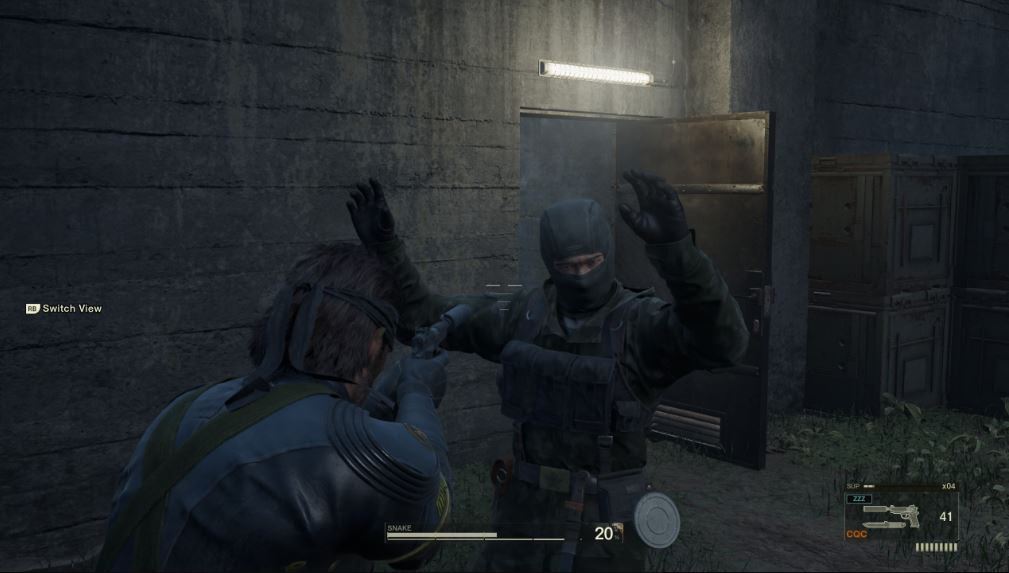
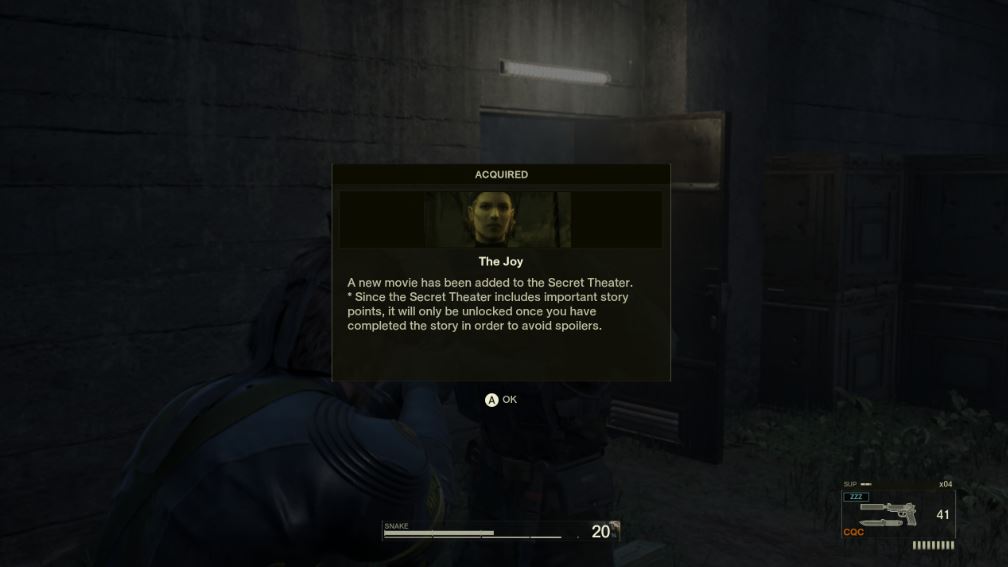
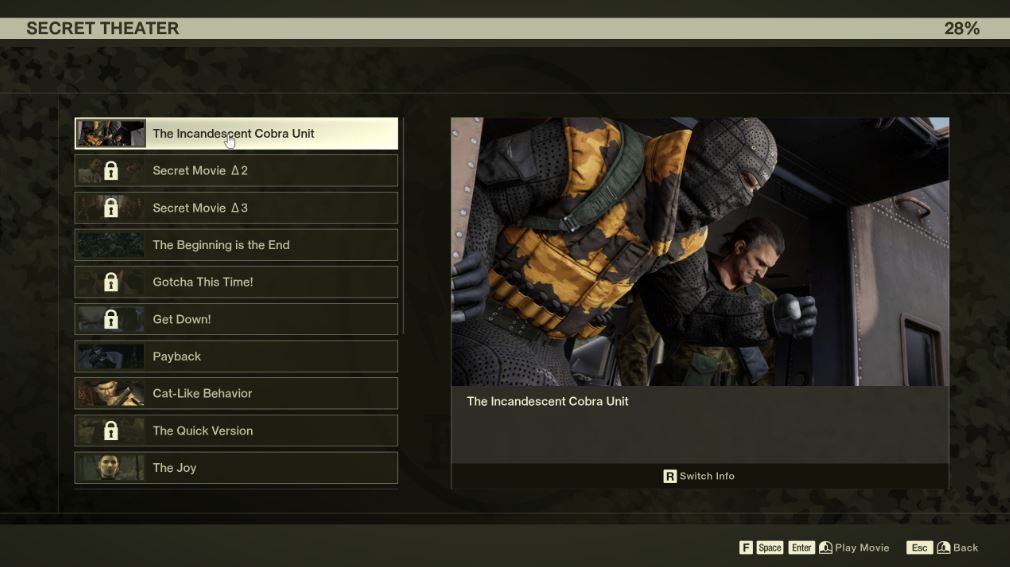
Now that we’ve talked about the main package there is one more thing we must address in the extra modes, secret theater is back and many of the scenes were reanimated in Unreal and look great. Additionally, there is a side mode available to you based on which platform you bought the game on. Snake vs. Monkey makes a return in Metal Gear Solid Δ for PlayStation and PC players, whilst Xbox players get access to Snake vs. Bomberman as Ape Escape is the property of Sony.
Finally, the last thing we need to talk about is Fox Hunt. In the pre-release promotional material Konami promised an online multiplayer mode, and this got people talking that we were finally getting Metal Gear Online 4. The truth was far less glamorous as Fox Hunt is nowhere near as versatile as MGO. Fox Hunt is a battle royale mode where you play in six teams of two in hunt-and-seek based objective games focusing on stealth and on-site weapon procurement. This mode had an audience but lacks the substance or appeal for long term play. And this mode came out more than a month after launch and had no progression system, no anticheat, no crossplay, and no ranked modes to speak of. As of writing this I imagine more people are playing MGO3 and Phantom Pain FOB missions than are currently playing this. The main game is a worthy retelling and expansion of the original game but Fox Hunt lacks substance, content, and forethought on what it wanted or needed to be, so Metal Gear Online is a much more complete experience.
Conclusion
After seven years of nothing after Survive, our expectations for Konami handling Metal Gear were as low as humanly possible. But Δ is a labor of love that was built with love, admiration, and respect for the original Snake Eater. Would I have personally loved to see the story expanded upon? Absolutely! But what we got is still a fantastic stealth game and does open the door for more remakes in the series as the game has already sold over two million copies. Given Snake Eater’s linear nature $70 USD is a big ask for more casual audiences who might wish to wait for a discount. But for fans of stealth games, Delta offers a lot of re-playability and reasons to keep playing.