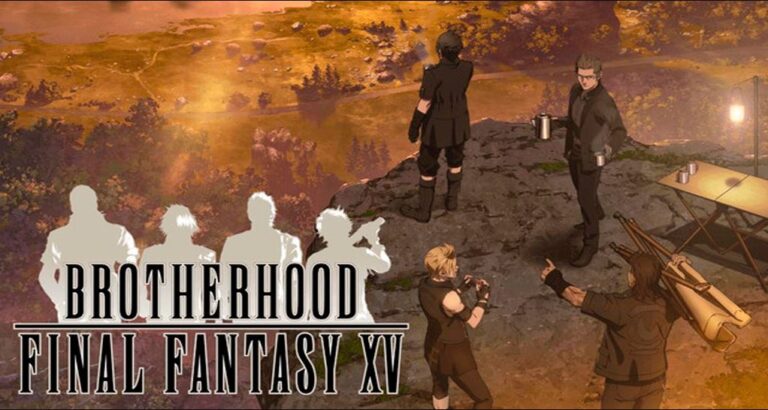
Greetings one and all: We’re still in the middle of our Final Fantasy XV retrospective, but have one more pitstop to make before we cover the main game, which is the subject of today piece. Kingsglaive introduced us to the world of Eos, but this is what introduced us to the protagonists of XV. This is Brotherhood: Final Fantasy XV!
Introduction & Pre-Production
Much like Kingsglaive, Brotherhood exists to flesh out the rest of the XV saga via supplemental material in an effort to offset the crunched development that XV underwent. Kingsglaive was a feature-length film that detailed a critical event in the XV timeline, whilst Brotherhood is a five-episode miniseries meant to introduce, as well as flesh out, our protagonists Noctis Lucis Caelum, Ignis Scientia, Gladiolus Amicitia, and Prompto Argentum.
The series was directed by Soichi Masui and produced by Kazuki Adachi and Akio Ofuji. Ofuji also co-wrote the series alongside Yuniko Ayana. The animation team behind the series was none other than A-1 Pictures who was responsible for such series as Black Butler, Fairy Tale, and Your Lie in April. The series first aired on March 30, 2016, finishing on September 17, 2016.

Synopsis & Writing
Our story actually begins with Noctis and his friends heading out on the road towards Altissia after the fall of Insomnia, to meet up with Lady Lunafreya. We are now treated to five episodes showing the characters interacting with one another and how their dynamics formed.
Brotherhood, for the most part, doesn’t have an overarching storyline, which makes sense as this is a miniseries. The end of Episode 1 leads into Episode 5 narratively, but the vast majority of the series is told via flashbacks that are set prior to the events of the game and even of Kingsglaive. A fact to note is that is our first extended look at our protagonists for XV as well as how they interact and work with one another.
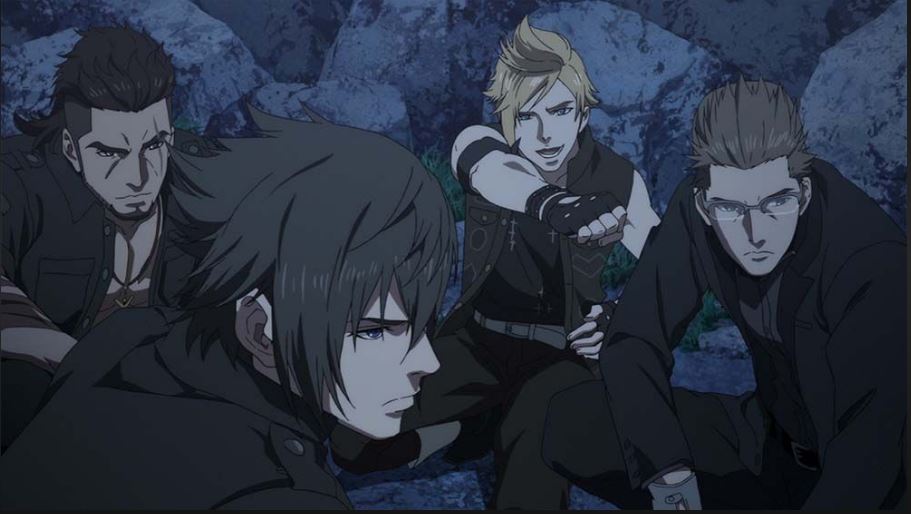
Each member of the core group is given their own episode, which introduces them to us, their role in Noctis’ entourage, and their dynamic with the would-be chosen King. Naturally, Noctis is central to these stories as the series is generally focused on fleshing out the theme and overall game. And the theme they wanted to convey was none other than brotherhood. The miniseries, despite being our introduction to Noctis and company, was designed to be more supplemental in nature. You do not need to watch Brotherhood to understand the upcoming Final Fantasy XV, as it merely exists as an extension of the XV story, much like Kingsglaive, and it serves to provide further context to the relationship between Noctis and his dear friends.
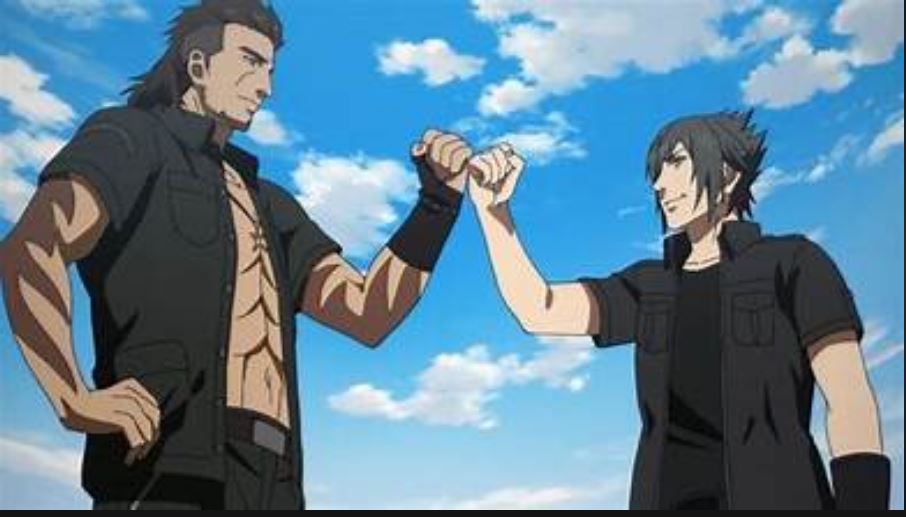
Despite being supplemental to the core experience of XV, I found this story had some genuine character moments that the main game could have benefitted from. This series, for example, truly gives Noctis a moment to mourn the loss of his father. A short moment in terms of screentime, but one that is massively significant for the character in emotional equity, a moment that I was shocked the main game left out.
Having come back to this series after finishing the main game and accompanying expansions, I was surprised to find the main game does have some payoff for the events in Brotherhood by making it feel like one overarching saga. For example, Prompto’s character episode goes into detail about how he met and befriended Noctis. These events would be paralleled and called back to in his DLC Add-on for the main game, Episode Prompto. This was a moment that made this series and game feel less like isolated pieces of mildly connected media and more like two pieces of the same interconnected story.
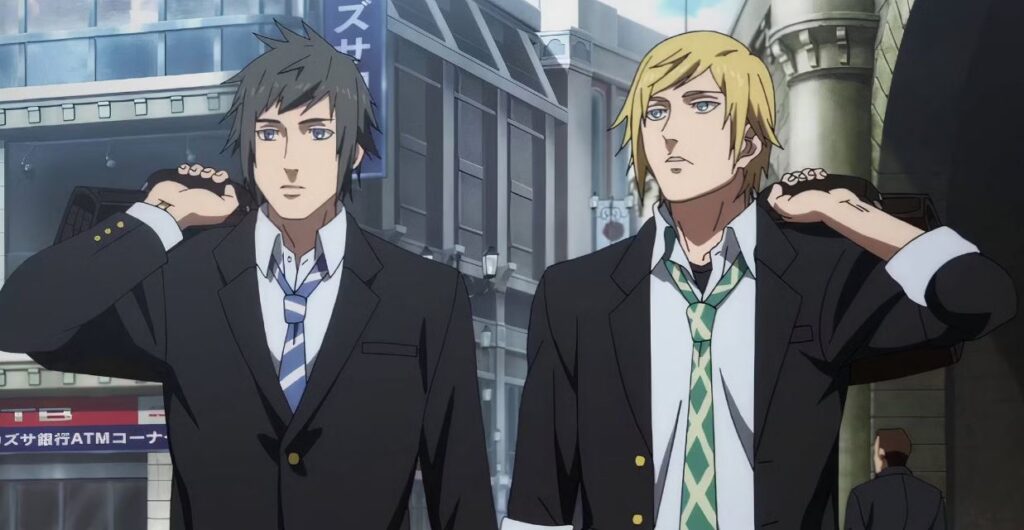
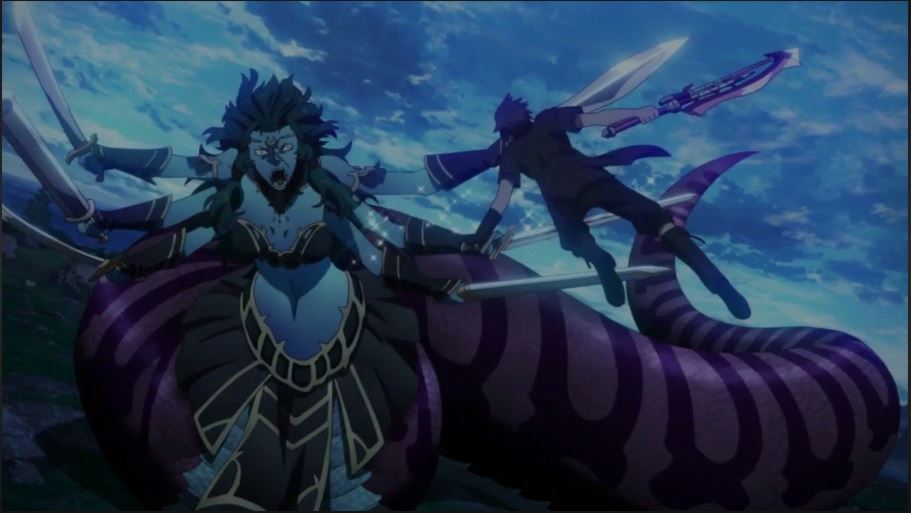
Brotherhood also covers some subject matter that the main game would not dive into. The opening of the miniseries nearly sees Noctis killed by a daemon. We see the impact of that event in XV’s gameplay animations as Noctis has the remnants of a limp when sprinting. This injury also connects with the events of the Platinum Demo when Noctis embarks on a journey through a dreamworld, following a near-death experience. That near-death experience was not revealed in said demo but was revealed to be the daemon attack that was shown in Brotherhood.
Presentation & Reception
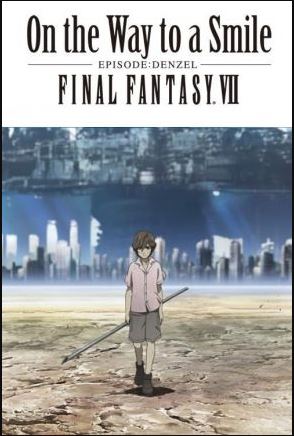
Square Enix co-produced the miniseries alongside A-1 Pictures. This wasn’t the first collaboration between the two as they had previously collaborated on On the Way to a Smile, the short, animated film included with Final Fantasy VII: Advent Children Complete Edition. These episodes were released on a monthly basis as development began around the time of Kingsglaive. The series was released free of charge to everyone, which was done to get the series in front of as many eyes as possible. . The episodes aired on the official Final Fantasy XV YouTube channel and was also available for streaming on Crunchyroll.
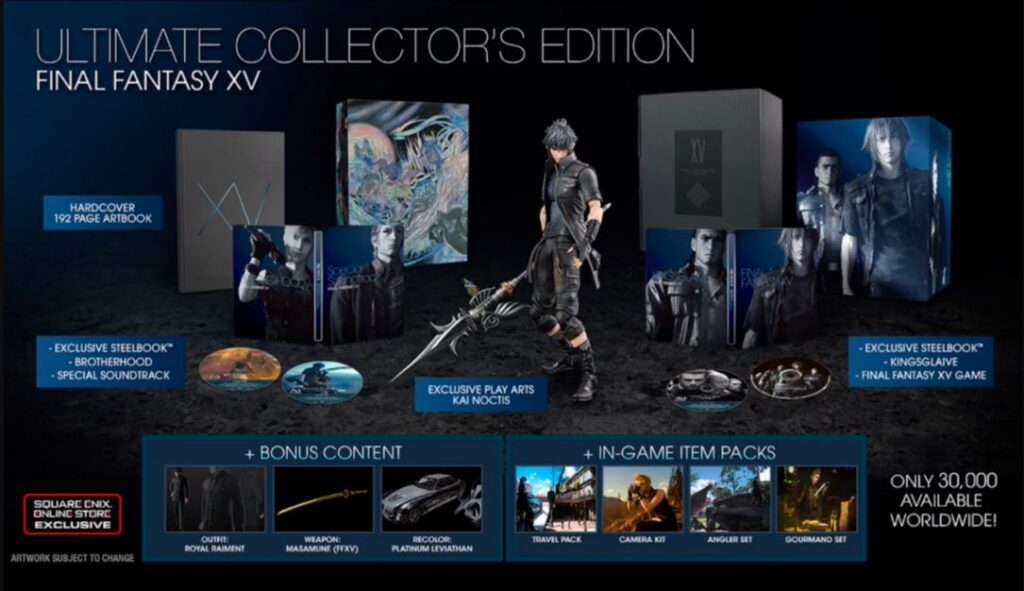
The series was well received and fared better than the developers had expected as they remain some of the most watched videos on the XV YouTube account. Brotherhood was included with the ultimate collector’s edition alongside Kingsglaive.
A-1’s work on the series continues their trend of excellence. The animation is distinct and fluid. The series also enjoyed a healthy pre-production window as one episode being aired a month allows for plenty of time to consider feedback on what did and didn’t work for the production. The result is a strong series from a production standpoint with production values being top notch.
Conclusion
As someone who did not watch this series until after completing the core game, I was surprised to find how much I enjoyed it and how much of a payoff there was for everything that happened. Calling it mere supplemental material to the upcoming XV does this series a massive disservice. I found it a pleasant watch from start to finish. It is also not a demanding watch in terms of time invested, as the series is comprised of five 15-minute episodes. Whilst Kingsglaive was more focused on exploring the world and core narrative of the universe, Brotherhood is more focused on exploring the characters we will be spending our time with in XV. I strongly recommend the series to Final Fantasy fans as well as fans of character-driven animation! Special thanks to OmgFloofy for collaborating on this article!
Patron Shout-Out
Special thanks to our generous patrons without whom our content would not be possible:
Francesco
Lisa
Matilda
Bob
Adam
Mark
Victory
Sam
IRIDYSCENZIA